
Sewer Line Repair in Vista, CA — Clear Answers, Clean Work, Lasting Flow
Slow drains everywhere, gurgling toilets, sewage odors, or a sudden backup? We diagnose the problem first with a camera-based, locate-and-confirm approach — then recommend the most practical repair (spot repair, trenchless options, or replacement) to restore safe, reliable drainage with minimal disruption.
- Camera inspection + locating first — no guessing
- Clear repair paths & scope — you choose the best option
- Code-aware workmanship + tidy jobsite — respectful property care
Fix the sewer issue at the source — not just the symptoms.
When a sewer line is damaged or blocked, it doesn’t just slow down one drain — it can affect the whole home. Smart Plumbing USA takes a diagnose-first approach: we confirm what’s happening inside the main line, identify the cause (roots, cracks, offset joints, corrosion, bellies/sags, or collapse), then recommend the right repair strategy for your property. The goal is simple: restore safe, consistent flow and reduce the chance of repeat backups.
- Camera inspection + locating before any digging or major work.
- Repair options that fit the problem (spot repair, trenchless lining, replacement).
- Verification after repair so you know the line is clear and flowing properly.
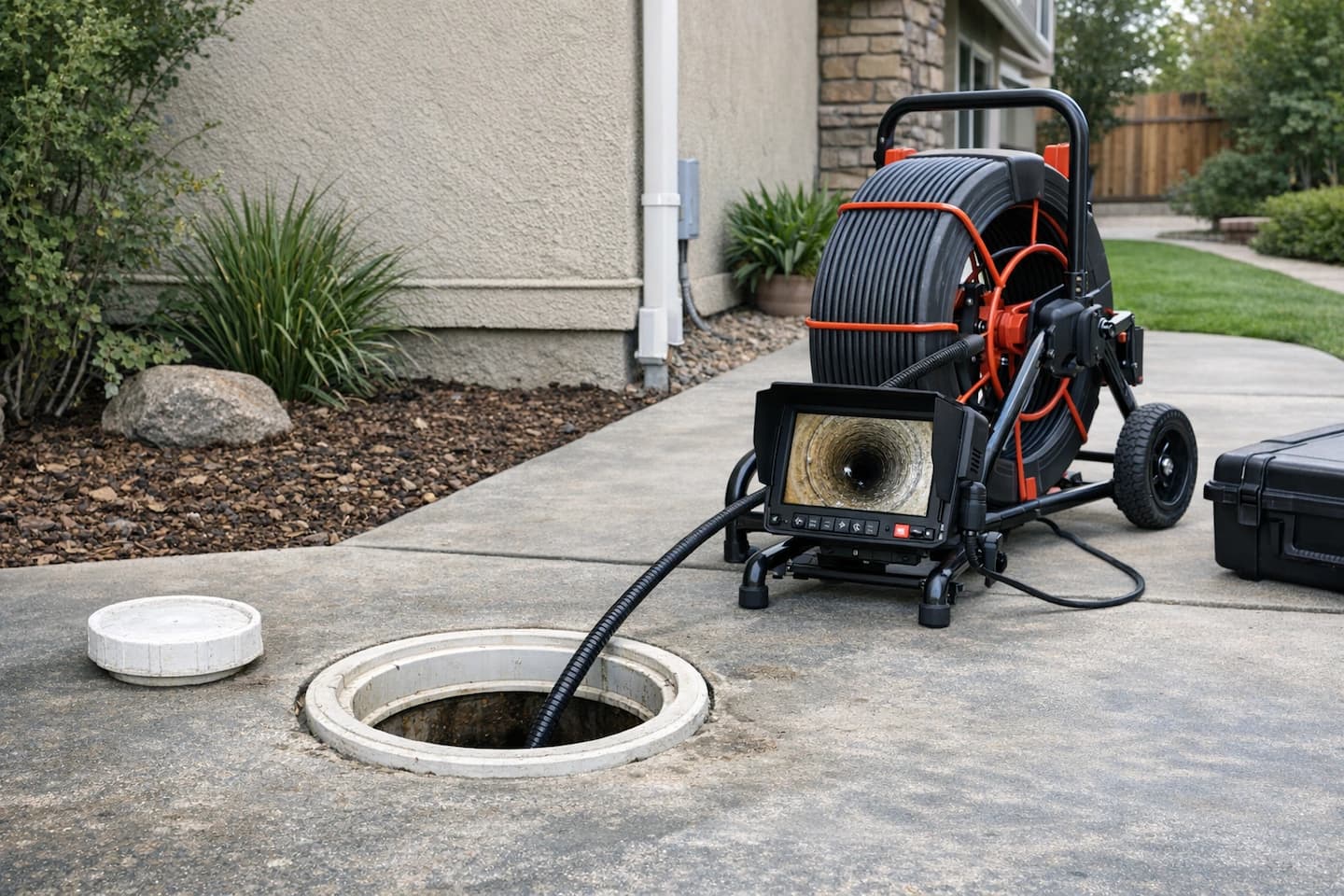
How to tell you may have a main sewer line problem
A clogged sink is one thing. But when multiple fixtures act up, you’re often looking at a main line or sewer lateral issue. In Vista homes, the most common causes include root intrusion, aging clay/cast-iron sections, offset joints from soil movement, grease buildup, or a belly (sag) that holds water and debris. Here are the signals homeowners usually notice first.
Common sewer line symptoms
- Multiple drains slow at once (tubs, showers, toilets, sinks)
- Gurgling sounds from toilets or drains after running water
- Sewage odors inside or near cleanouts / yard areas
- Backups in the lowest fixtures (shower/tub) when toilets flush
- Wet spots, extra-green patches, or soft ground along the line path
What you can do right now (safe steps)
- Stop using water to reduce pressure on the line (especially laundry/dishwasher)
- If you have a cleanout, keep the area accessible and clear of items
- Avoid chemical drain cleaners — they rarely solve main line issues and can worsen conditions
- Document symptoms (which fixtures, when it happens) — helpful for fast diagnosis
- If there’s active sewage backup, call promptly to reduce contamination and damage
Why homeowners choose Smart Plumbing USA for sewer line repair
Sewer work is high-stakes: health, property protection, and long-term reliability all matter. Our process is built around accurate diagnosis, clear repair options, and workmanship that holds up — whether you need a targeted repair, a trenchless solution, or a full line replacement.
Camera-first diagnosis
We inspect the line from the inside, so we’re not guessing. That means we can identify the real cause — roots, cracks, offsets, bellies, corrosion, or collapse — and match the repair to the problem.
Options that fit your property
Not every sewer issue needs full excavation. When appropriate, we discuss trenchless approaches (like lining) or targeted spot repairs to reduce disruption to landscaping, concrete, and hardscape.
Clean scope & verification
You get a clear scope of work and what it includes. After repairs, we verify flow and provide guidance to help prevent repeat blockages (especially with roots and recurring buildup).
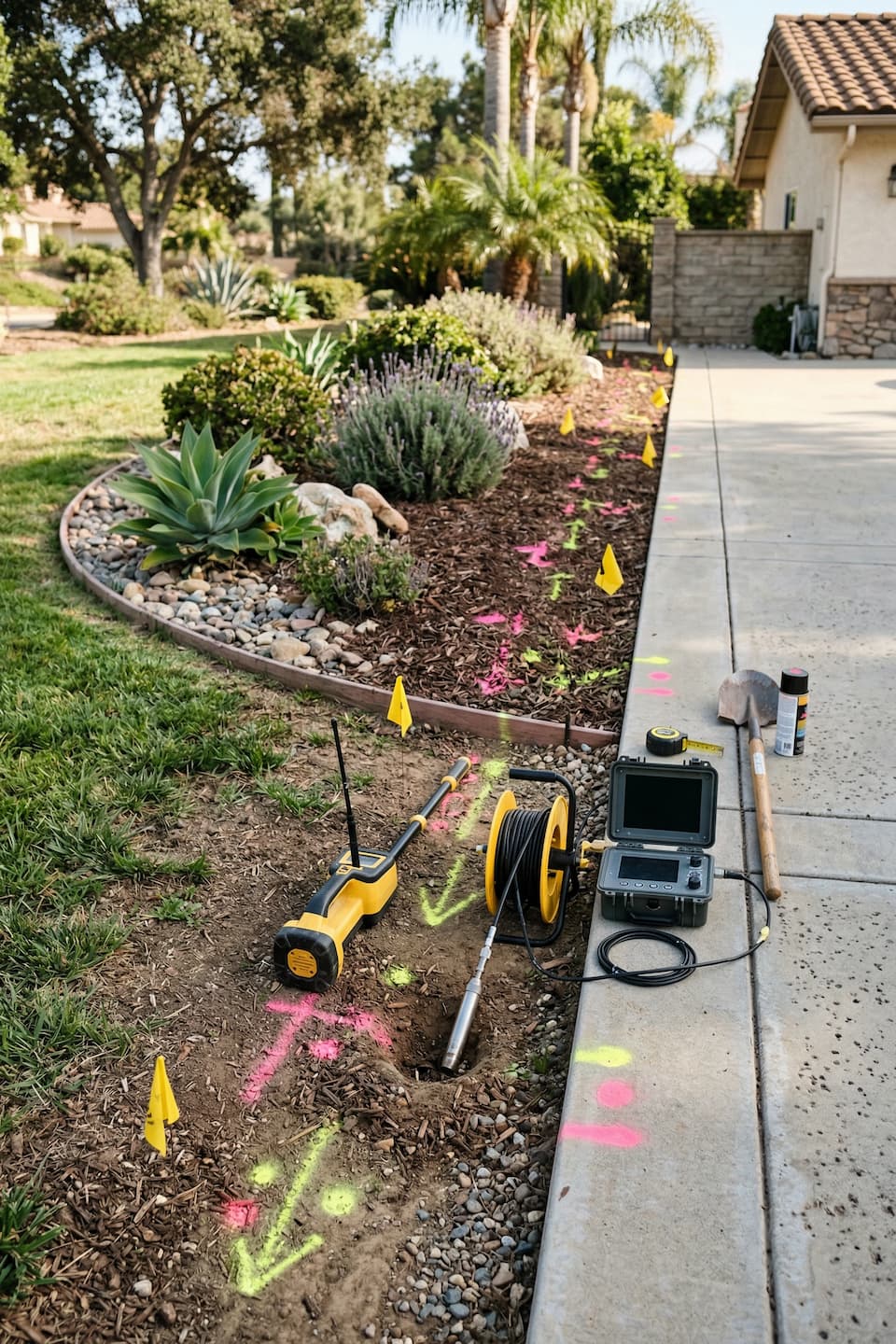
Our sewer line repair workflow (diagnose, plan, repair, verify)
The best sewer repairs start with certainty. We identify the cause inside the pipe, locate the problem area, then recommend the least disruptive repair that restores proper flow and protects your property.
- 1) Symptom review & access check We note which fixtures are affected, check for cleanouts, review backup history, and confirm whether it’s a branch-line issue or a main sewer line problem.
- 2) Camera inspection & locating We inspect the interior of the line, identify the defect (roots, crack, offset, belly, collapse), and locate depth/route so any repair is targeted.
- 3) Repair plan (clear scope) You get options based on the pipe’s condition: clearing + root control, spot repair, trenchless lining, pipe bursting, or replacement — with a clear scope.
- 4) Repair + verification After repairs, we confirm flow and provide guidance on maintenance steps (root prevention, what not to flush, grease control) to reduce repeat issues.
Root intrusion & heavy buildup (the most common causes of repeat sewer backups)
Many recurring sewer problems aren’t “mystery clogs” — they’re predictable patterns. In older lines, tree roots can enter through joints or cracks. In busy households, grease and sludge can narrow the pipe until it traps debris. We focus on what actually solves the problem long-term: clearing the obstruction, confirming pipe condition, and addressing the reason it keeps coming back.
Root-related issues
- Roots entering through joints, cracks, or compromised sections
- Frequent “temporary” clears that re-clog in weeks or months
- Offset joints that catch paper and debris
- Long-term options: targeted repair or trenchless lining (when suitable)
Buildup-related issues
- Grease, soap scum, and sludge narrowing the line over time
- Improper flushing habits (wipes, paper towels, hygiene products)
- Bellies (sags) where water sits and solids settle
- Flow restoration methods based on inspection results
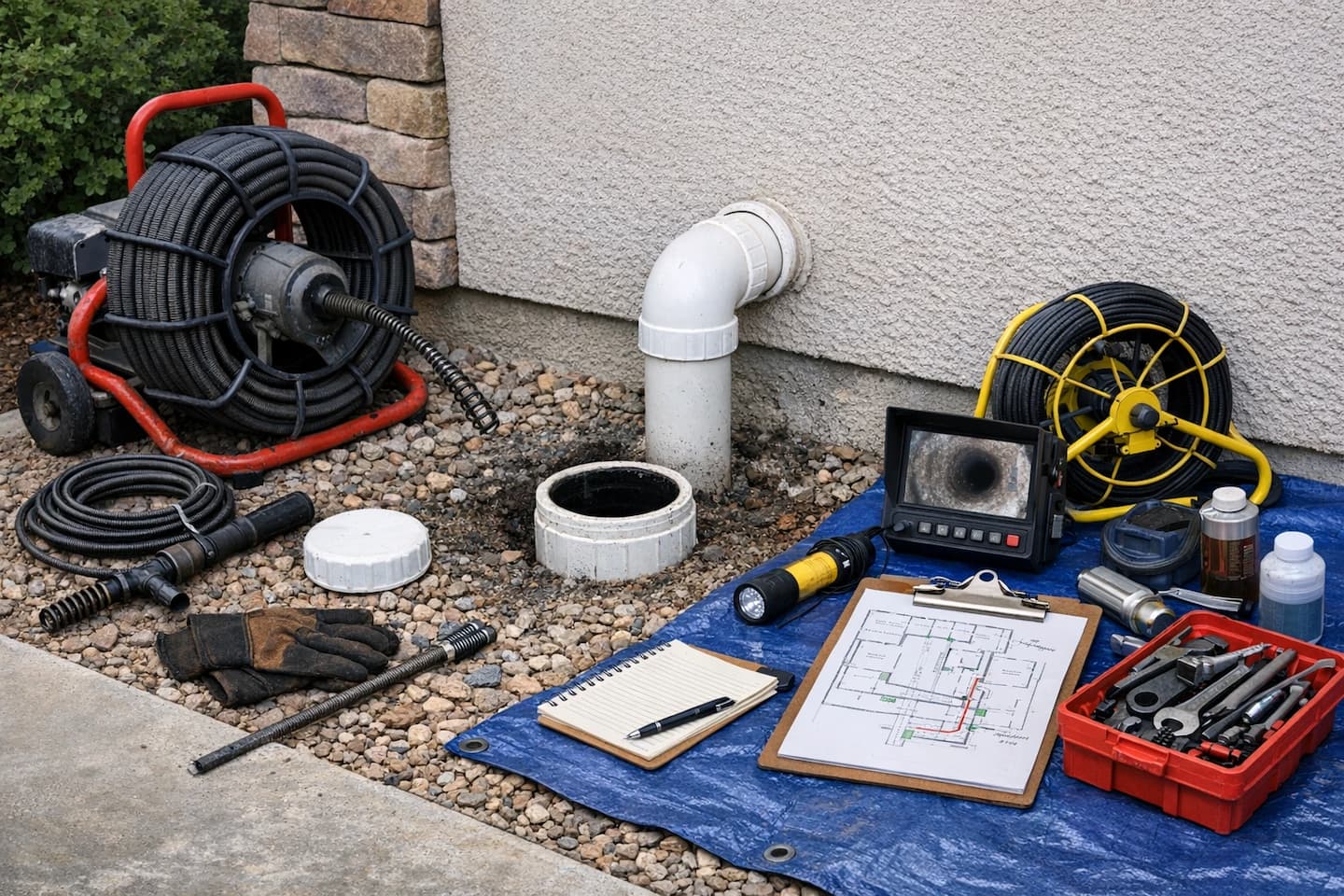
Cracks, offsets, bellies (sags), and collapsed sections — when repair is the real fix
Some sewer problems aren’t just “a clog.” If the pipe is cracked, offset, or sagging, it can trap debris and cause recurring backups. And if there’s a partial collapse, the line may flow sometimes — then fail suddenly. The key is identifying the pipe’s condition with a camera inspection so the repair matches the defect and lasts.
Vista homeowner tip
If you’ve had the main line cleared more than once and the problem returns, ask for a camera inspection with locating. It’s the fastest way to confirm whether roots, a belly, or structural damage is the real cause.
Common structural sewer defects
Cracked clay or cast iron, separated joints, offset sections from soil shifting, bellies (sags) that hold water, and localized collapse. These issues often cause repeat clogs because the pipe can’t move solids consistently — even after clearing.
Why repair timing matters
The earlier you address structural defects, the more likely a targeted repair or trenchless option can work. Waiting can mean deeper damage, more excavation, and higher risk of a sudden full blockage or messy backup.
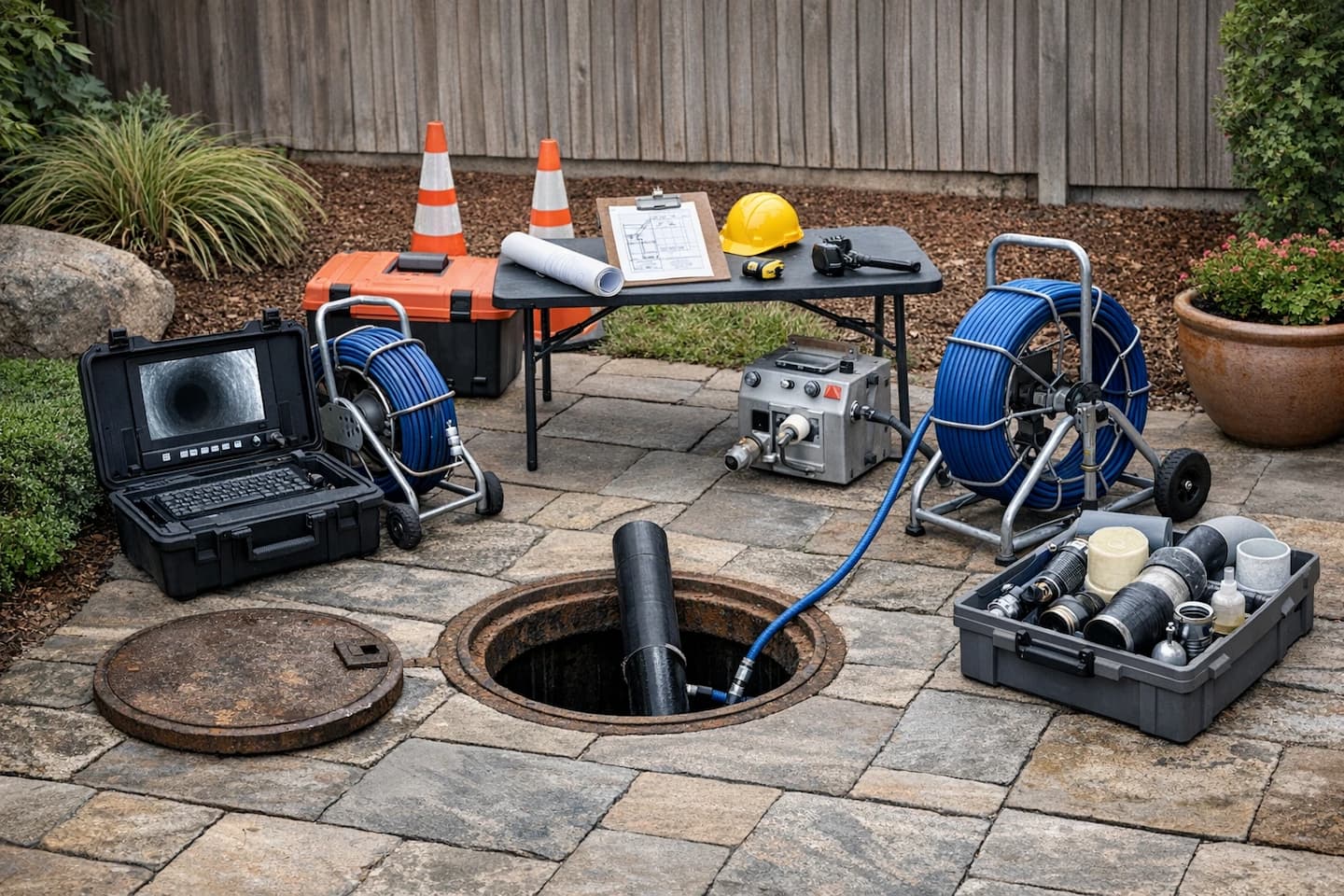
Trenchless vs. traditional sewer repair: what it means for your yard
Homeowners often ask, “Do we have to dig up the whole yard?” The answer depends on what the camera shows. Some issues can be handled with minimal excavation, while others require a targeted dig or full replacement. We’ll explain which approach fits your line — and why.
- Trenchless lining (when suitable): can reinforce a pipe from the inside for certain cracks/joint defects without a full-length trench.
- Targeted spot repair: best for localized damage where access is reasonable and the rest of the line is in good condition.
- Replacement (partial or full): recommended when there’s severe corrosion, repeated collapse, major offsets, or multiple failing sections.
Sewer Line Repair FAQ
A few helpful answers before you schedule. If there’s an active backup or strong sewage odor, calling sooner can help reduce damage and cleanup.
How do you confirm what’s causing the sewer problem?
Do you have to dig up the whole yard?
Can you just clear roots and be done?
How long does sewer line repair usually take?
Request Sewer Line Repair in Vista, CA
Tell us what’s happening (slow drains, gurgling, odors, backups) and we’ll recommend the right next step. We start with inspection and confirmation, then provide clear repair options — from targeted repairs to trenchless approaches — with verification after the work. If you have an active backup, calling is the fastest option.
- Camera inspection + locating to confirm the cause and exact problem area
- Practical repair options with clear scope and upfront communication
- Code-aware workmanship and targeted repairs to limit property disruption
- Verification after repair (flow confirmation + prevention guidance)
How it works
Quick Request Form
Share a few details and we’ll reply with next steps. For active backups or urgent situations, call now.
- Which fixtures are affected (one drain vs. multiple drains/toilets).
- Whether there’s gurgling, odors, or a backup (and where it shows first).
- Any outside signs (wet spots, extra-green areas, soft ground near the line path).