
Sump Pump Repair in Vista, CA — Fast Diagnostics, Dry Spaces
Sump pump not turning on, running nonstop, tripping a breaker, or leaving water in the pit? We troubleshoot the full system (pump, float switch, check valve, discharge line, power, and backup) and make a clean, reliable repair — or give you a clear replacement plan when repair isn’t the safe long-term option.
- Diagnostics first — fix what failed, not guesswork
- System-level checks — pump + discharge + power
- Verified operation after repair — peace of mind
Keep your sump pump ready — before the next heavy rain.
A sump pump is your last line of defense when groundwater, storm runoff, or drain tile flow collects where it shouldn’t — crawl spaces, low garages, below-grade rooms, patio/yard sump basins, and specialty pits. When the pump fails, water can rise fast. Smart Plumbing USA repairs sump pumps with a simple rule: confirm the true failure point (pump motor, float switch, check valve, discharge line, power, or backup) and restore reliable operation with clean, code-aware workmanship.
- Functional testing (on/off levels, cycling, discharge performance).
- Targeted repairs that prevent repeat flooding and short-cycling.
- Verification after the fix + practical maintenance guidance.
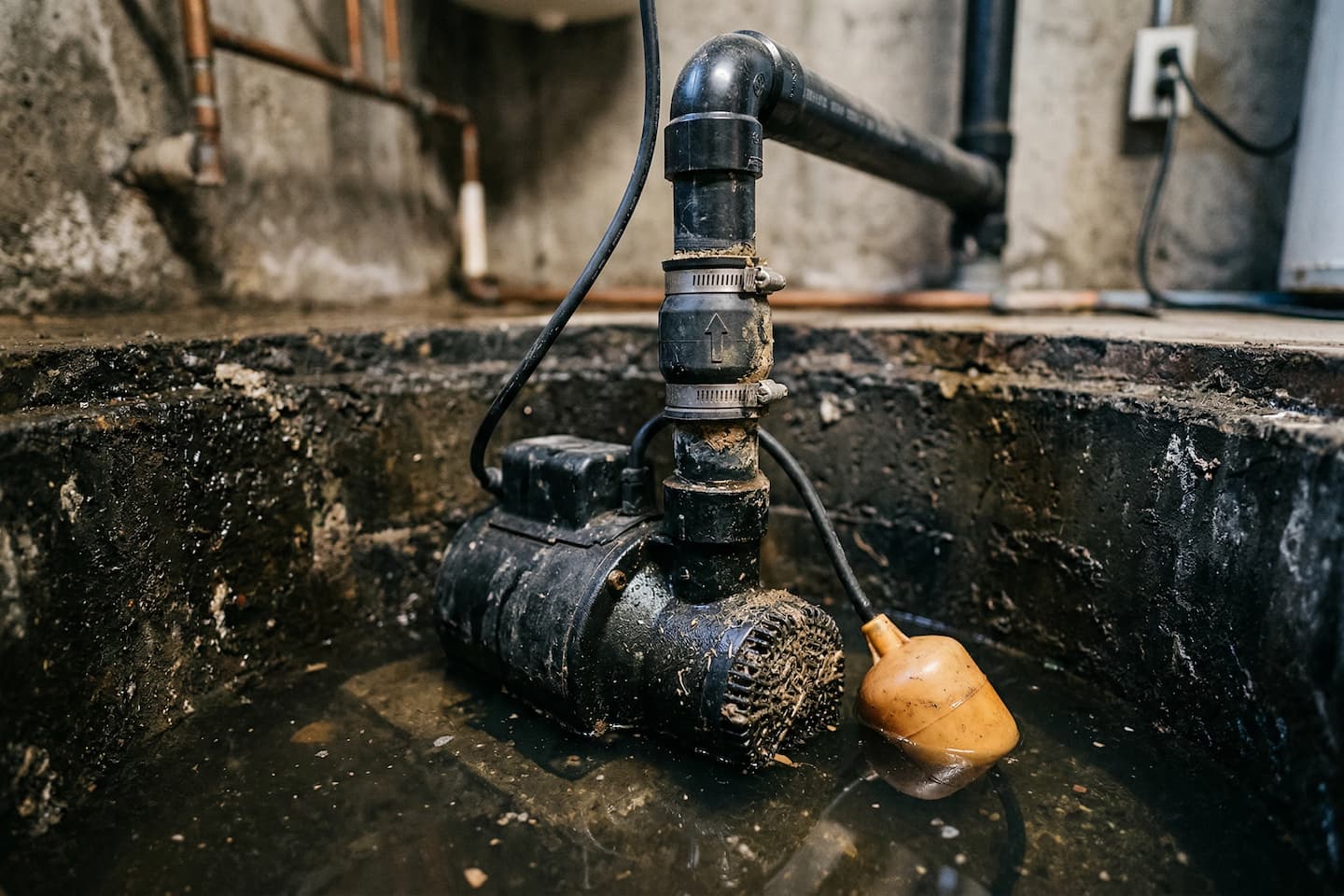
How to know your sump pump needs repair
Some sump pump problems are obvious (it won’t turn on, or it’s overflowing). Others are subtle — constant cycling, strange noises, a stuck float, or water returning to the pit after the pump shuts off. These are common warning signs Vista homeowners notice before water becomes a real problem.
Common sump pump symptoms
- Pump won’t turn on, or only works when you jiggle the float
- Runs nonstop or short-cycles (turns on/off repeatedly)
- Loud humming, grinding, rattling, or vibration during operation
- Water rises in the pit / crawl space stays damp after rainfall
- Backflow: water returns quickly after the pump shuts off (often check valve)
- Tripped breaker, GFCI resets, or burned odor near the outlet/cord
What you can do right now (safe steps)
- If safe, check the outlet/GFCI and breaker — many “failures” are power-related
- Keep the pit area clear and avoid touching wet electrical components
- Listen for the pump: humming with no pumping can indicate a jam or failed impeller
- If flooding is active, call promptly — faster service can reduce cleanup and damage
- Avoid forcing parts or removing covers while standing in water
Why homeowners choose Smart Plumbing USA for sump pump repair
A sump pump issue is stressful because it’s tied to water damage risk. Our process is built to feel organized and clear: troubleshoot the system, confirm what’s failing, repair it cleanly, and verify operation before we leave.
Diagnostics-first, system-level thinking
We test the pump, float, discharge, and power path so you don’t end up “fixing” the wrong part and still dealing with water. That includes checking for backflow, short-cycling, and improper discharge routing.
Durable repairs, not temporary tweaks
From check valve replacement to float switch correction, we use correct parts and secure connections. We also look for adjacent weak points that commonly fail next (fittings, clamps, discharge joints, and alarms).
Clean work + verification after the fix
We keep the area tidy, confirm the pump cycles correctly, and share practical maintenance tips so you’re not calling again for the same issue after the next storm.
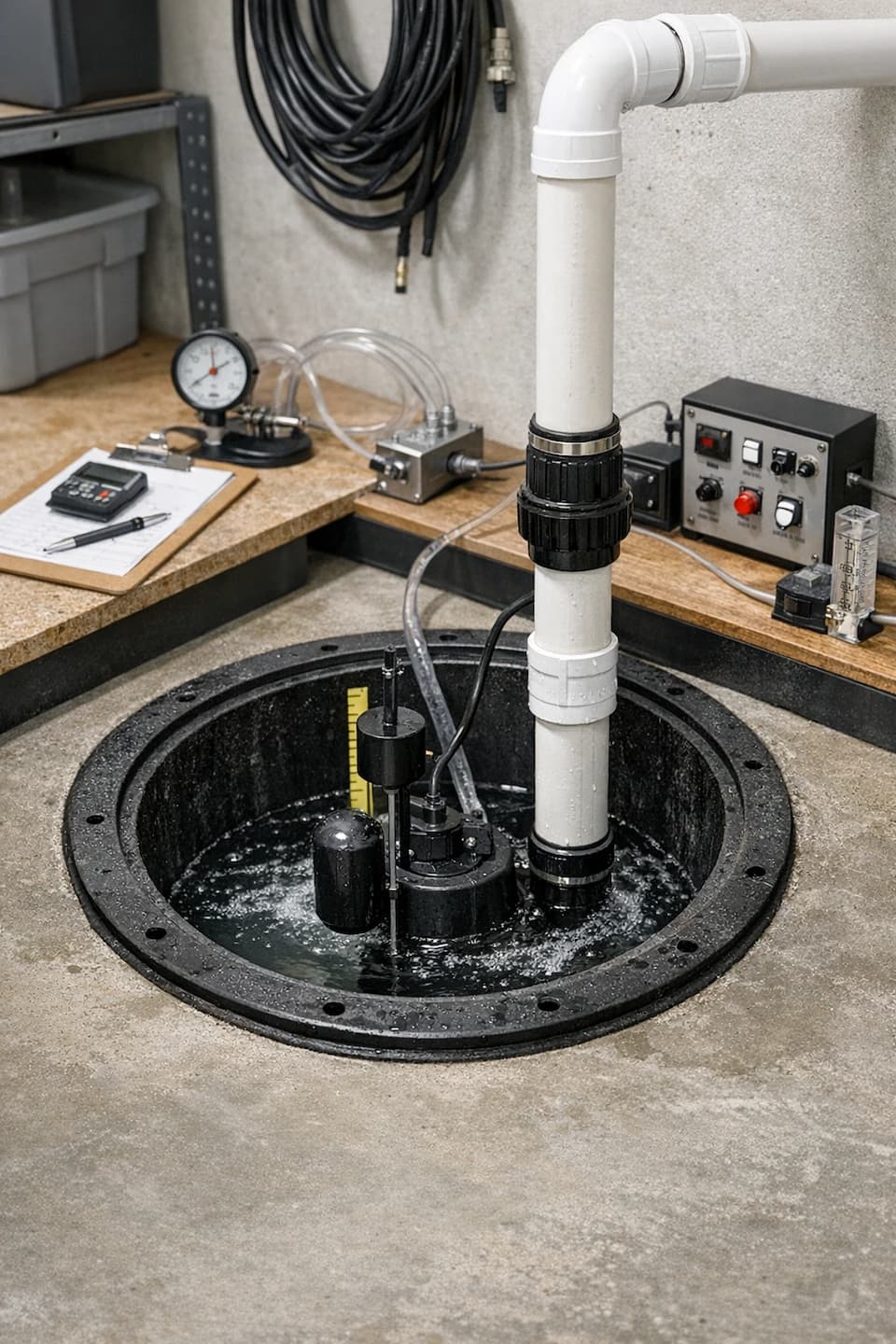
Our sump pump repair workflow (accurate, practical, verified)
The goal is to restore dependable protection with minimal disruption. We identify the root cause first — whether it’s the pump itself, a float switch issue, a failing check valve, a blocked discharge, or a power/backup problem — then complete a clean repair and confirm performance.
- 1) System review & safety checks We identify pump type (submersible/pedestal), inspect the pit/basin, and check power, GFCI, breaker, and cord routing safely.
- 2) Functional testing We test float activation, observe cycling behavior, and confirm water is moving through the discharge line without backflow.
- 3) Repair options (clear scope) Depending on what failed, we may service/replace the float, check valve, discharge fittings, or address clogs and pit debris. If the pump is end-of-life, we explain replacement options clearly.
- 4) Verification & prevention guidance We re-test after repair and share simple maintenance tips (cleaning, alarm testing, backup checks) to reduce repeat issues.
The most common sump pump repairs (and what they usually mean)
Many sump pump problems come from a small set of failure points. A stuck float can stop the pump from turning on. A failing check valve can cause backflow and constant cycling. Debris in the pit can restrict the intake and overload the motor. We troubleshoot the full system so the repair solves the reason the pump is struggling — not just the symptom.
Pump & activation issues
- Float switch stuck, misadjusted, or failing (no start / short-cycling)
- Impeller/intake blockage from silt, gravel, or debris
- Motor humming but not pumping (jammed or failing pump)
- Overheating shutdowns after heavy use
Discharge & backflow problems
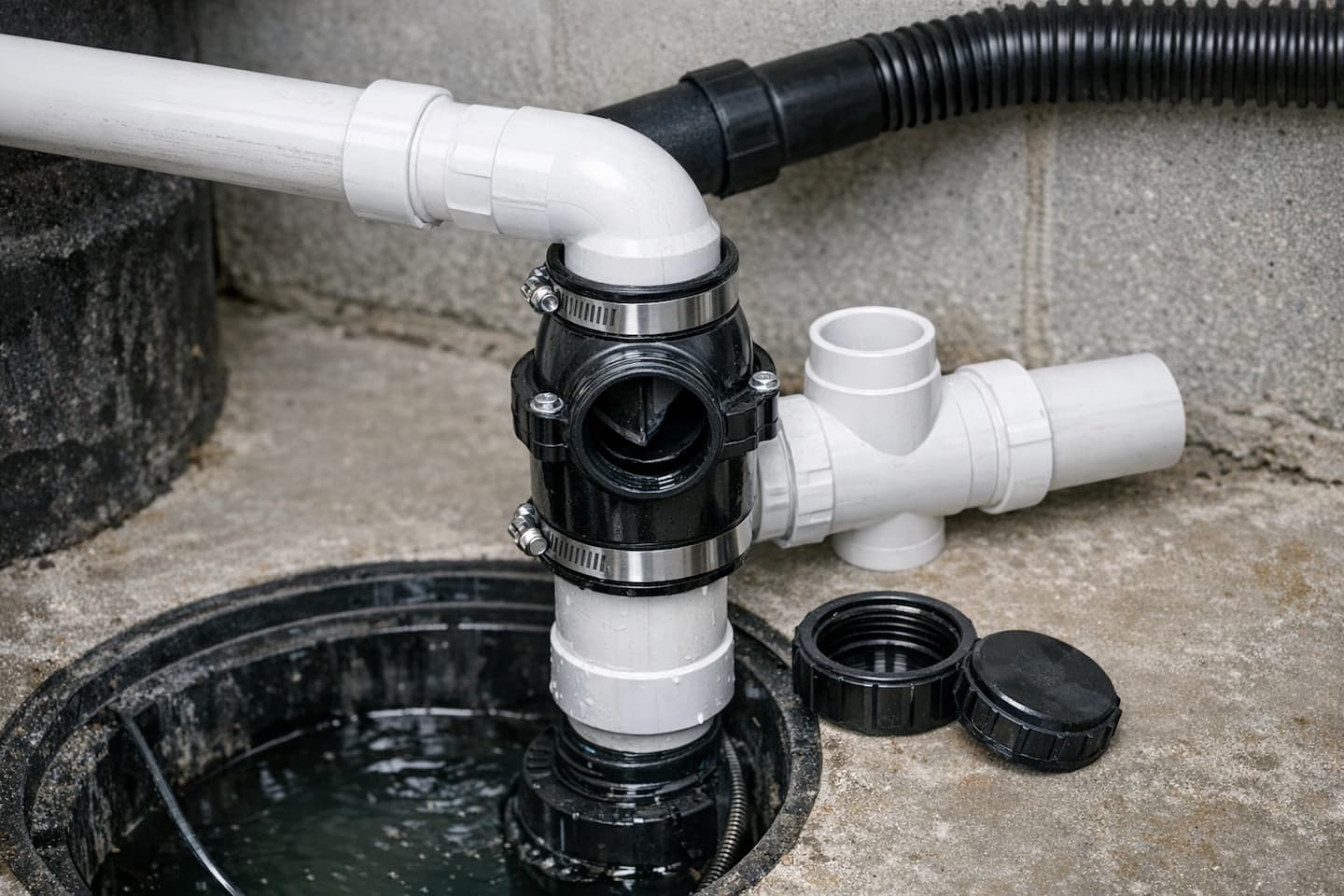
- Check valve failure (water returns to pit, rapid cycling)
- Loose fittings or leaks on the discharge line
- Clogged or restricted discharge routing
- Noisy water hammer/vibration from poor valve performance
Crawl space and yard sump systems (the “hidden” failures)
Many sump pumps in Vista serve areas you don’t see every day: crawl spaces, low corners of garages, patio/yard sump basins, and drainage systems that collect runoff. Problems can be intermittent — everything seems fine until a storm, then the pit rises fast. The key is confirming why the system can’t keep up: a weak pump, a stuck float, backflow, a blocked discharge, or debris/silt that restricts flow.
Vista homeowner tip
If your pump runs but the water level barely drops, the issue is often discharge-related (clog, restriction, backflow, or poor routing) — not just the motor.
Typical “hidden” causes
Silted sump pits, jammed impellers, float interference from cords/debris, failing check valves, disconnected discharge fittings, and discharge routes that allow water to return to the pit. We also look for undersized pumps and poor cycling that leads to burnout.
Why fast repair matters
Standing moisture can create odor and damage wood, insulation, and stored items. Quick repair often means a simpler fix — clearing a restriction, correcting a float, replacing a valve — instead of dealing with widespread dampness and cleanup later.
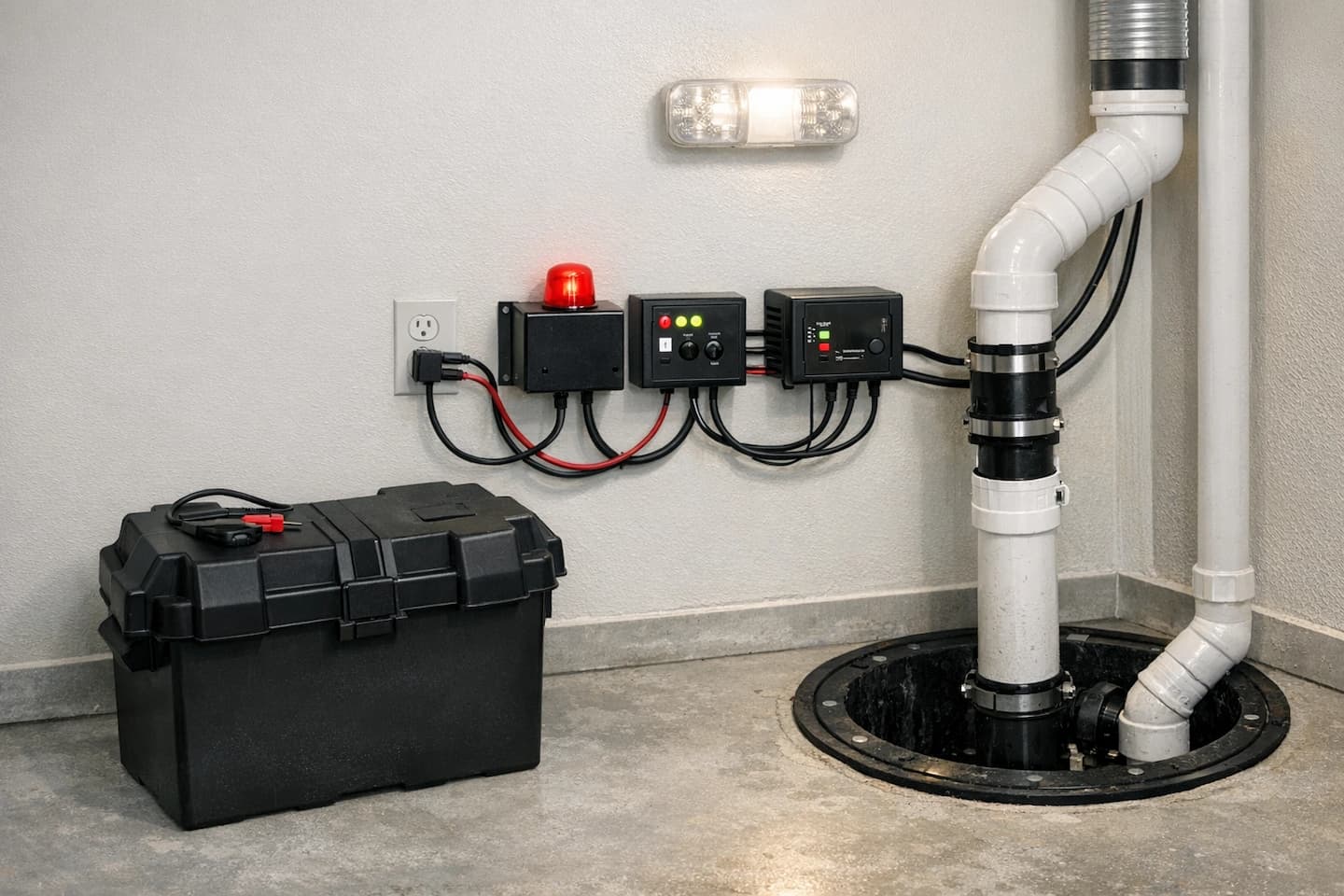
Backup sump pumps, batteries, and alarms (storm-ready protection)
A sump pump can fail at the worst possible moment: during heavy rain when the pump is working hard — or when the power goes out. If you have a battery backup sump pump, a secondary pump, or a high-water alarm, we’ll test it as part of service and make sure it’s ready. If you don’t have backup protection, we can explain practical options for your setup.
- Battery & charger health: weak batteries, failed chargers, or loose connections can leave the backup useless when you need it most.
- Alarm testing: high-water alarms and switch sensors should be tested so you get a warning before overflow occurs.
- Secondary pump setup: proper check valve placement and discharge routing helps prevent backflow and improves reliability during high demand.
Sump Pump Repair FAQ
Quick answers before you schedule service. If water is rising or the pump is running nonstop, calling sooner can help prevent damage.
Why is my sump pump running nonstop?
How do you know if the float switch is bad?
Can a sump pump be repaired, or do I need replacement?
Do you test the system after repairs?
Request Sump Pump Repair in Vista, CA
Tell us what your sump pump is doing (or not doing) and we’ll recommend the right next step — diagnostics first, clear scope, and a repair that’s verified before we wrap up. If water is actively rising, calling is the fastest option.
- System troubleshooting: pump, float, check valve, discharge, power
- Practical repair options with clear scope and upfront communication
- Code-aware workmanship: secure fittings, safe electrical awareness
- Verification after the fix (cycling, backflow, discharge performance)
How it works
Quick Request Form
Share a few details and we’ll reply with next steps. For active water rise, call now.
- Where the sump is located (crawl space, garage, patio/yard basin, below-grade room).
- What it’s doing (won’t start, runs nonstop, cycles rapidly, noisy, overflow/backflow).
- Any recent changes (heavy rain, power reset, new discharge routing, debris in the pit).